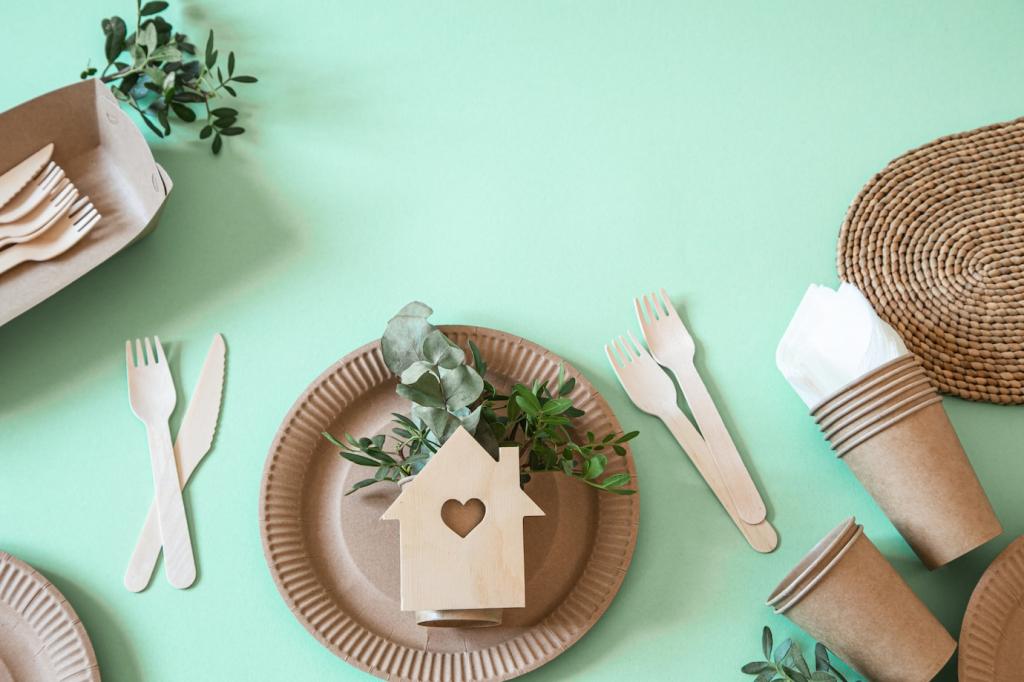
Sustainable Living: Upcycled Materials in Interior Design

Chosen theme: Sustainable Living: Upcycled Materials in Interior Design. Step into a world where thoughtful design, personal stories, and resourcefulness transform castoffs into conversation pieces. Explore ideas that reduce waste, honor materials, and give your home a soulful, sustainable glow. Share your own upcycling wins in the comments and subscribe for fresh projects every week.

Why Upcycling Belongs in Your Home

Every salvaged plank and repurposed jar keeps material out of landfills and reduces demand for new production. Upcycling cuts embodied carbon, saves water used in manufacturing, and turns the energy of yesterday into the heirlooms of tomorrow. Your interior can be a quiet climate action that still feels luxurious.

Why Upcycling Belongs in Your Home

Upcycled design lets you invest more in craftsmanship and less in raw materials. With patience and creativity, you can source quality pieces at little cost, then direct savings toward skilled finishing, better lighting, or local artisans. The result is elevated style that respects both budget and planet.

Why Upcycling Belongs in Your Home

A table with nail holes from a retired workshop, or a lamp built from a vintage camera, brings stories into daily life. These pieces spark conversations, carry the marks of time, and remind us that the most meaningful interiors grow from history, not a catalog.

Why Upcycling Belongs in Your Home

Lorem ipsum dolor sit amet, consectetur adipiscing elit. Ut elit tellus, luctus nec ullamcorper mattis, pulvinar dapibus leo.


Sourcing Materials Responsibly

Hunting at Reuse Centers and Architectural Salvage

Visit local reuse centers for doors, windows, flooring, and hardware with patina and potential. Bring measurements, photos of your space, and a flexible plan. Ask staff about material origins and safe handling, especially with painted items. Hidden gems appear when you visit often and look beyond first impressions.

Room-by-Room Upcycling Ideas

Living Room: Pallets, Records, and Warm Gatherings

Craft a coffee table from sanded pallets fitted with locking casters and a glass top for safety and shine. Convert an old record cabinet into a media console with discreet cable routing. Soft textiles from vintage blankets recut as cushion covers add color, comfort, and nostalgic notes to conversation areas.

Kitchen: Workhorse Surfaces with Soul

Reclaimed butcher block makes a durable, repairable prep area when properly sealed with food-safe finishes. Old crates become open shelving for spices and mugs. Replace standard pulls with salvaged brass hardware; the gentle wear feels intentional and charming while guiding a cohesive, time-softened kitchen narrative.

Bedroom and Bath: Calm from Castoffs

A headboard from a sanded, sealed vintage door sets a serene focal point without waste. An antique dresser can become a vanity with an undermount sink and moisture-resistant finish. Upcycled mirrors framed in reclaimed wood bounce light, turning smaller rooms into tranquil retreats shaped by memory and care.

Techniques and Finishes That Last

Begin with a thorough clean, then test unknown finishes before sanding. Exercise caution with old paints and adhesives; when in doubt, consult local guidelines and wear protective gear. Proper filling, clamping, and surface leveling prevent wobble and warping, setting your piece up for years of resilient service.

Techniques and Finishes That Last

Choose low-VOC paints and plant-based oils or waxes to seal wood while honoring grain. Waterborne polyurethane offers clarity and toughness without heavy fumes. Layer thin, patient coats and respect drying times. A gentle buff at the end adds depth and tactile warmth that invites daily use.

Techniques and Finishes That Last

Reinforce stress points with pocket screws, dowels, or brackets hidden beneath. Replace fragile fasteners and add felt pads to protect floors. Thoughtful hardware selection—like salvaged hinges or reclaimed pulls—balances aesthetics and function, ensuring your upcycled piece feels solid, safe, and ready for real life.

Designing with a Cohesive Aesthetic

Choose a restrained palette—perhaps warm neutrals with a deep green accent—and repeat it across textiles, wood tones, and painted surfaces. When pieces differ in origin, color continuity creates calm. A single bold hue recurring subtly throughout ensures harmony without sacrificing the character of individual finds.

Designing with a Cohesive Aesthetic

Pair reclaimed wood with brushed metal, smooth glass, and vintage textiles to build dynamic contrast. Textural variation adds depth while keeping the footprint responsible. Use repetition—like matching metal finishes—to connect disparate items so the room reads curated, not chaotic, and your upcycling feels artfully intentional.

Community and the Circular Economy at Home

Invite friends to bring furniture, fixtures, and tools with photos and measurements. Create themed zones, label materials, and set fair trading guidelines. Leftovers go to a reuse nonprofit. You will spark new projects, reduce waste, and make introductions between pieces and people meant for each other.

Community and the Circular Economy at Home

Attend community repair events to learn joinery, refinishing, and fabric mending. You will leave with stronger skills and a renewed appreciation for workmanship. These gatherings create local resilience, proving that sustainable interiors are built not only from materials but from knowledge generously passed along.
Luxuryofnomad
Privacy Overview

This website uses cookies so that we can provide you with the best user experience possible. Cookie information is stored in your browser and performs functions such as recognising you when you return to our website and helping our team to understand which sections of the website you find most interesting and useful.